
here, there and everywhere
who needs their own bed anyway?

I have covered an obscene amount of miles on the UK railways this month by any standards. In the past week alone, I have gone London-Edinburgh-London-Lincolnshire-Leeds-London-Stevenage-London-Somerset-London (disclaimer: the trip to Somerset/Wiltshire was for leisure). I have one more trip to Durham and back in a day to go. Then I would like to not see another train again for the foreseeable future.
All those train miles have, of course, not only given me a chance to read quite a bit here and there, but also to daydream out the window and cherish every evening/waking moment I haven’t spent on a train. And obviously write this Substack.
books
I dated a man in the summer who recommended me One Small Voice by Santanu Bhattacharya. I am nothing if not diligent when it comes to reading books recommended to me by men I am going on dates with (I hasten to add, this is largely because I think the books people recommend can say quite a lot either about them or about their perception of you, both interesting insights no?), and, even though I did dump him unceremoniously the day after he recommended this book, I did still order it from the library and I actually really rated it. I know shamefully little about the real impact of the Hindu / Muslim divide in modern India, and this novel seamlessly and skilfully weaves politics and religion into a story of friendship and love and loss. I would also very much recommend it! (For anyone who wants more contemporary - and more glitzy - Indian fiction, I also loved Deepti Kapoor’s Age of Vice).
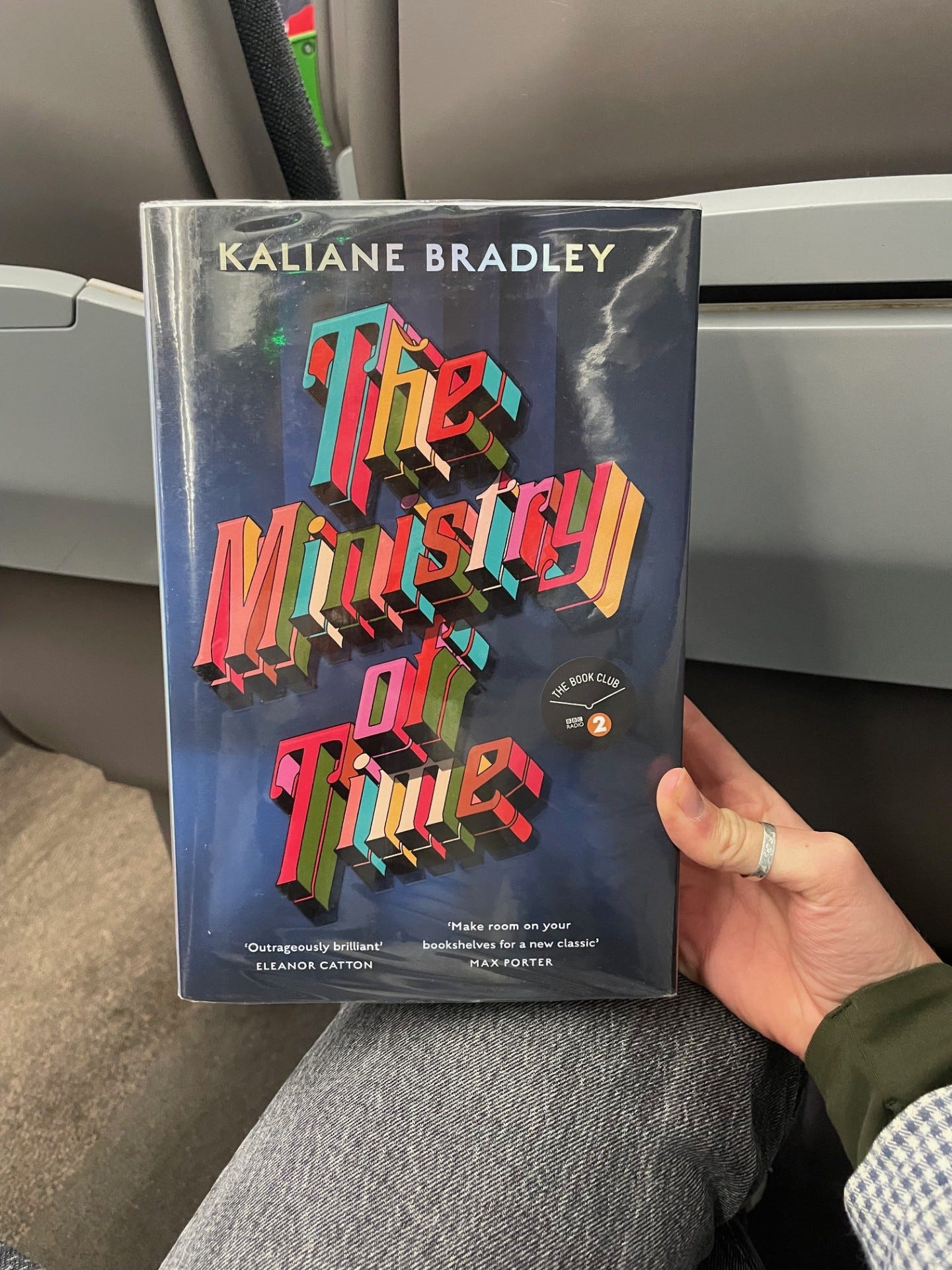
The Ministry of Time is the only book I’ve read recently which really made me wish my train journey wouldn’t end (which is saying something, given the amount of hours I’ve had on the train). Set in a mysterious, secret fictional civil service division which deals with time travel, it’s another slow burn love story, which is funny and gripping and gorgeous and occasionally nail-biting, and I adored it.
museums buying contemporary art? can you even imagine!
I have spent an ungodly amount of time on the East Coast main line in the past 10 days. One of these trips took me to Leeds, and to Temple Newsam, for a conference. During the lunchbreak, there was an optional lecture on Temple Newsam during the Second World War, which I went along to because I am a real nerd and specifically, I am a real nerd about the use of country houses in WWII.
Temple Newsam is a 16th century house, which is part of Leeds Museums & Galleries - ie it’s a local authority owned historic house museum. During the war, the main collection from Leeds City Art Gallery was sent to Temple Newsam (5 miles east of the city centre, in a massive park) in the hope of keeping it safe during the Blitz. While it was there, the then curator, Philip Hendy, began to organise contemporary exhibitions in the rooms of Temple Newsam. I adore the photos of the 1941 exhibition of Henry Moore, John Piper and Graham Sutherland that was installed for a few month during the summer, before going on tour across Britain.
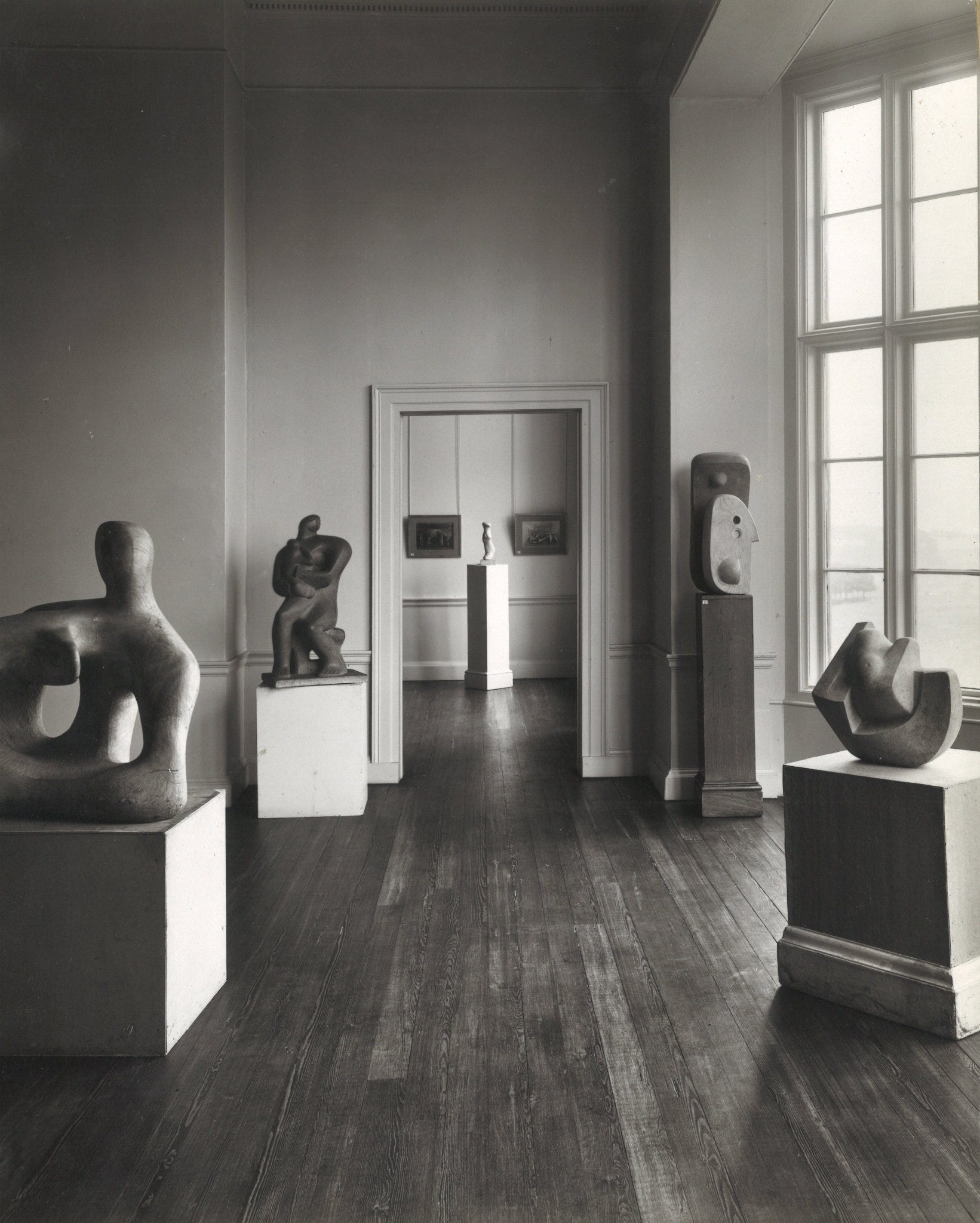
Tell me you’re not also in love with this photo. So chic.
Leeds Museums acquired quite a bit of art from these shows for its own permanent collection, and in fact, Leeds has a long history of an active ‘friends’ organisation supporting the acquisition of visual and applied arts for the people of the city: Leeds Art Fund was created in 1912, and has since helped purchase over 430 works, displayed across the city’s civic spaces and galleries for public enjoyment. It’s still going strong today. We love to see citizens actively engaging in civic life, eh!
Anyway: it was a great lunchtime talk, but one of the main things I was struck by was how bowled over I was by the concept of museums and galleries actively acquiring art! That’s called living all of your adult life under a Conservative government / austerity. Even during an incredibly bleak period of life in the UK, Leeds City Art Gallery was buying some pretty avant-garde art (for the time) by new and emerging artists at the time, and certainly art that many didn’t like.
Now, it’s not quite fair to say that museums and galleries in the modern world don’t acquire art and objects, but perhaps they don’t do so as actively as they did in years gone by. Budget cuts and all that. The Government Art Collection still actively collects contemporary British art, as well as occasionally buying older pieces. So does Tate, for example. But it often feels quite rare for galleries to shout about the contemporary pieces in their collection, or recent contemporary acquisitions. And so, people often forget about this facet of an organisation’s work.
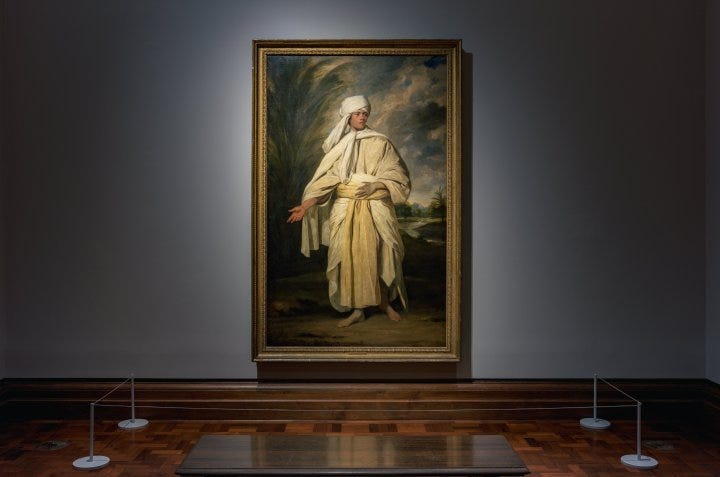
Instead, our attention gets focused on things like the Portrait of Mai, which was saved for the nation at the eye-watering cost of £50 million after it was put up for sale by Irish businessman John Magnier, This FT piece is a great read, and covers some of the problems the UK will face on this front moving forward. We have a system which allows exports of works of art to be blocked, normally temporarily, so that a UK-based buyer can raise funds to purchase significant pieces and keep them in the UK. Great in theory, right? The problem is that as the commercial art market reaches wild, dizzying new heights, it becomes extremely difficult - and arguably ludicrous - to have publicly funded institutions competing with private individuals to pay these kind of prices in practice. Was that really the best use of that money (even if half of it was stumped up by the Getty?)? Think how many works by emerging and contemporary artists the National Portrait Gallery, or Tate, could have acquired with that princely sum.
I also think publicly-funded museums and galleries really seem to struggle to talk about their contemporary acquisitions. They seem to shy away from talking about new pieces by emerging artists, preferring instead to talk about acquisitions of older, more established artists or objects from long ago. Which feels somewhat strange. Why? Why not merge them more? Why not champion the idea of buying art being in the public interest? Do they not back their own taste? Do they not like to be seen to engage with the commercial nature of contemporary art? Is it because the establishment prefers to prioritise Old Masters etc?
Talking about art which is being made by people now, of people now, about modern life, is surely one of the best ways to engage a modern audience/the general public with the world of art. Making it relevant? Showing the wide variety of mediums artists can, and do, work in today. Inspiring people as to what’s possible, what they might be able to do, what forms creativity can take and how important it is. Just a thought.
etc
Some articles I have enjoyed in recent weeks:
- Don’t Give Your Money to Blank Street Coffee (once you start seeing Blank Streets you won’t un-see them. Bleurgh.)
- On keeping women skinny so they don’t get too powerful (there’s a lot about the return of the cult of thinness - and in some cases, the role of Ozempic in this. Worth interrogating.)
- Do You Know How to Behave? Are You Sure? (One of my - many - guilty pleasures is this list of modern etiquette by the Cut. Half of it is completely insane and deranged, the other half are words to 110% live by. I re-read it probably once a year and it never fails to make me laugh)
- a softer, gentler modernism (a piece which made me want to visit Helsinki IMMEDIATELY. I’ve had Paimio Sanitorium saved on my Google Maps for ages and I always have a moment of confusion about what the pin in the middle of nowhere in Finland is)
- A Dream of Gold and Green (Ana Kinsella’s delightful piece about Kerrygold butter as a staple of Ireland’s national identity and soft power. Obsessed. One of the things I want most in the world is a Sorcha O’Raw Kerrygold embroidery.)
- Why Gen Z needs its own Delia (a thoughtful piece on the difference between consuming food-related content and actual cooking, and also the pitfalls of internet and TikTok ‘recipes’)
- Slash and Burn: Is Private Equity Out of Control? (Spoiler alert: yes, I think it is. A really good dive into the insidious creep of private equity into virtually every facet of our ecosystem, and why we should be concerned about it.)
Other things I have enjoyed, in a random and non-specific order:
- My first apple & blackberry crumble of the year, complete with the very boujie Waitrose 1 Madagascan Vanilla custard which I would literally drink if I could;
- S3 of Industry. Phwoar.
- Francis Bacon: Human Presence at the National Portrait Gallery. Fun fact: Bacon’s entire studio was transported from South Kensington to the Hugh Lane in Dublin on his death. I can’t say I love Bacon’s portraits, but something about them makes them difficult to look away. His use of colour, and the way he can put so little paint on the canvas yet create so much is masterful. This podcast on Bacon by Bad Gays is a really useful background listen.
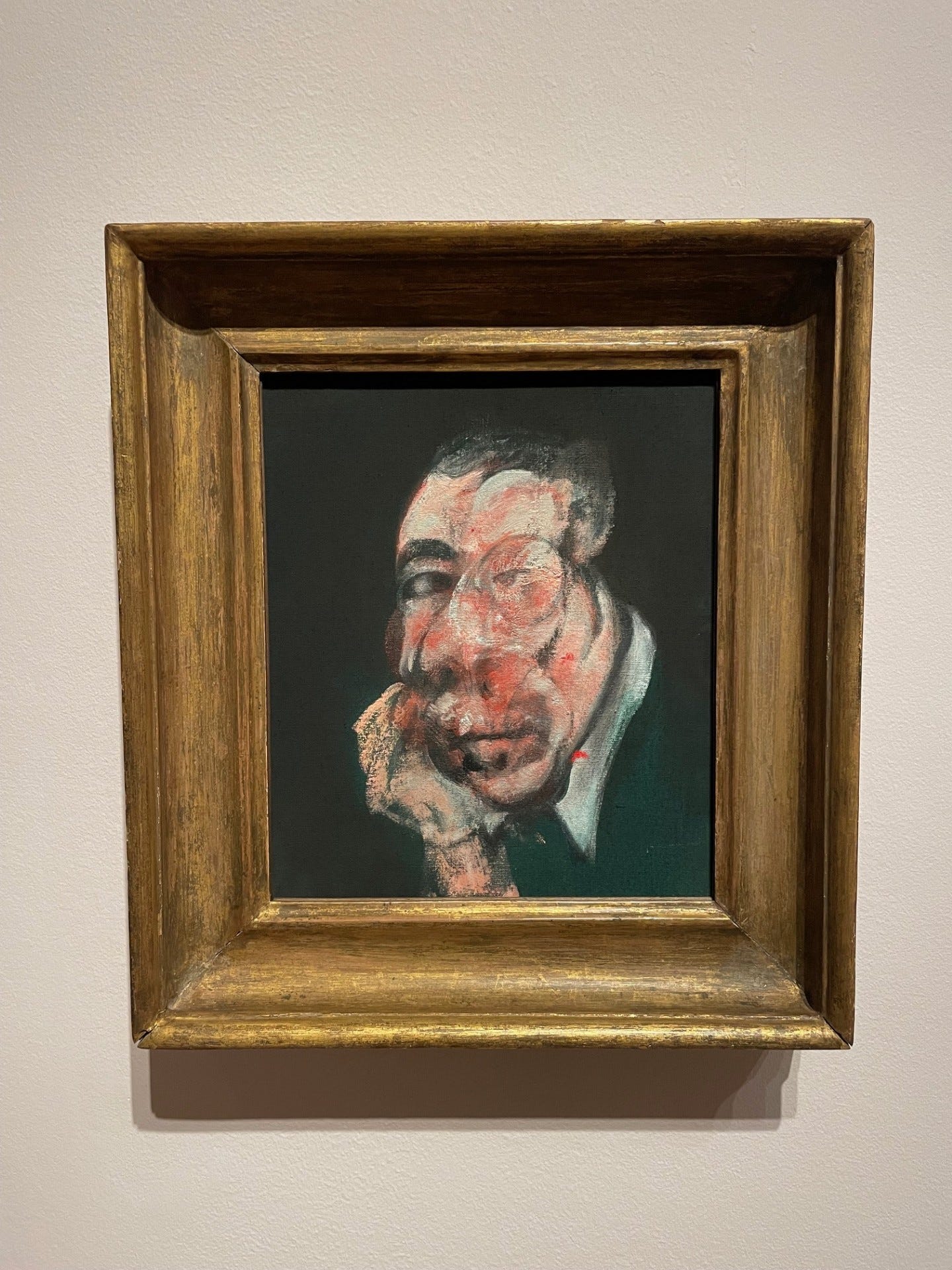
This is one of my favourites. Something very pensive and comparatively calm about it.
- The newly refurb-ed, extremely swish village pub back at my parents having finally re-opened. I can now complete my favourite circuit walk AND get a negroni / freshly-baked croissant (delete as appropriate) mid-way through??? Truly, a scenario I had never even dreamt of.
À la prochaine!